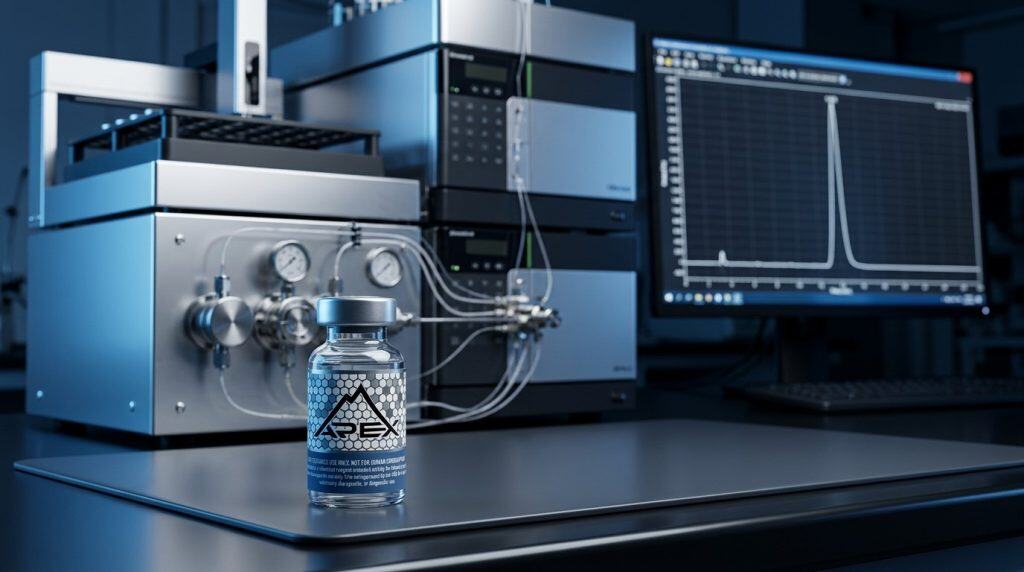
Peptide Pureness Resolution Creative Peptides-peptide Drug Exploration Since each amino acid has a particular deposit mass, the sum of residue masses for the target sequence produces an anticipated molecular weight. The mass spec result need to match this anticipated worth within appropriate resistance. HPLC-tested means the sample was gone through high-performance liquid chromatography to separate the target peptide from impurities. The purity percentage is typically calculated from the main peak area split by the total incorporated height area. The most effective peptide suppliers buy legitimate quality assurance. However distinguishing these vendors from those who cut edges requires understanding what correct screening resembles. But peptide purity is probably the single essential quality metric for any kind of study peptide. It directly impacts the reliability and reproducibility of speculative outcomes. A peptide noted at 75% pureness and one at 99% purity aren't simply different grades-- they can generate meaningfully various results in the same assay.
What equipment is used to examine peptide pureness?
Peptide purity is consistently figured out by HPLC (high performance liquid chromatography). This technique enables separation and family member quantification of each peptide synthesized. If combined to a mass spectrometer (MS), this provides molecular mass/ identification details of the target peptide and accompanying pollutants.
What's The Distinction In Between Vendor Coa And Third-party Screening?
With each other, these tools give a clear and detailed photo of peptide structure, making sure scientists can trust their data. Various other spectroscopic strategies, such as Infrared (IR) or UV-Vis evaluation, are in some cases utilized for quick top quality checks or architectural verification. All PRG products are intended specifically for in vitro study or additional manufacturing usage. For the majority of research purposes, high pureness means you can be certain that the huge bulk of the molecules in your vial are the correct peptide, which helps ensure experimental consistency and reproducibility.- Explore our catalog to view verified research study compounds and learn more concerning our screening and quality assurance process.Poor-quality peptides (those with unseen impurities, inaccurate sequences, or weakened parts) can result in misleading information and irreproducible results.This technique divides peptide mixtures and evaluates the loved one quantities of different parts.Discover suppliers that supply compliant, high-purity products backed by transparent testing and documents.
Pick Your Level Of Screening
Choosing the right external lab for peptide screening includes examining a number of variables. A trusted laboratory should have verifiable experience in peptide chemistry analysis-- as an example, PhD-level drug stores or biochemists on staff that understand peptides' synthesis and degradation paths. Certification by appropriate bodies (such as ISO/IEC or accreditation for GLP/GMP compliance) is a solid indicator of high quality. A certified laboratory complies with stringent guidelines for examination precision and method recognition. You can usually inspect if a lab is accredited by means of its site or documentation; accreditation makes certain the lab's methods and outcomes are held to international criteria. Palmetto Peptides gives batch-specific COAs with third-party HPLC and mass spectrometry data for all research study peptide products. Lower purity-- claim, 90-- 95%-- presents a meaningfully larger pollutant account that may make complex analysis of study outcomes. Recognizing exactly how to seriously evaluate a COA-- and what the numbers actually mean-- is for that reason a basic study competency. This write-up is attended to instructional and research study recommendation functions only.Sight Relevant Web Content
The contrast between BPC-157 and TB-500 relies on both compounds being precisely identified. Evaluating validates you're contrasting what you mean to contrast. This process produces a competent vendor checklist you can rely on for recurring acquisitions. Resources like SeekPeptides offer advice for supplier examination along with other research support. Beyond specific testing decisions, methodical approaches to quality control enhance total research reliability. If testing discloses issues, you've shed only a tiny financial investment instead of a big one.